
What Is Self-Healing Infrastructure? A Practical Guide
Self-healing infrastructure detects problems and fixes them automatically — no human intervention required. Here's how it works in practice, not theory.
Infrastructure deep dives, Ansible patterns, and homelab automation.
Self-healing infrastructure detects problems and fixes them automatically — no human intervention required. Here's how it works in practice, not theory.
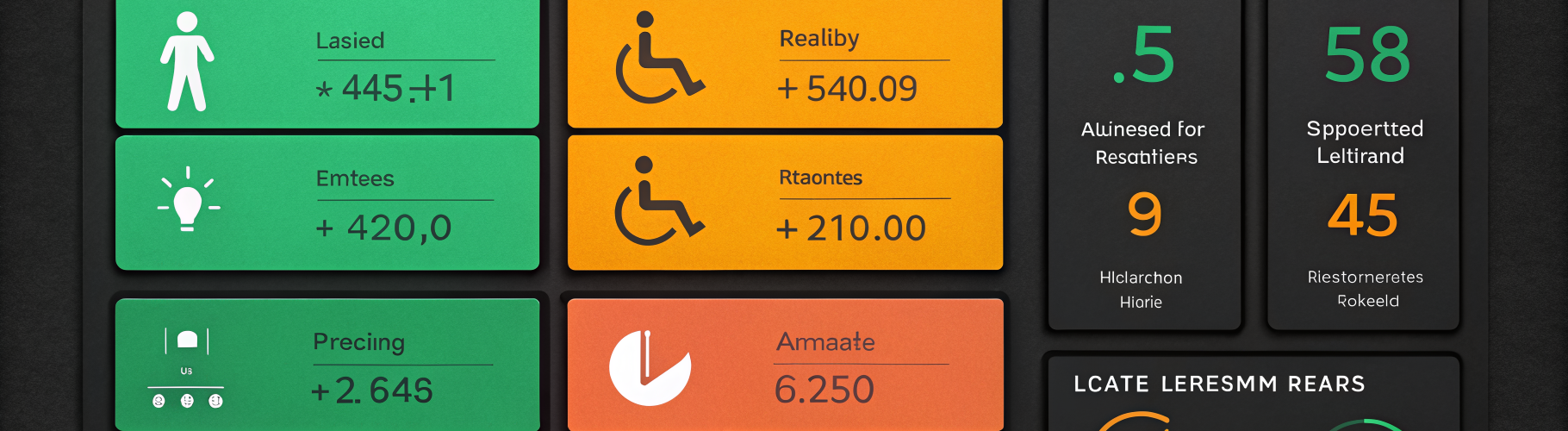
We rebuilt our customer portal with live-updating dashboards, WCAG accessibility, colorblind-safe indicators, and a test suite that proves it all works. Here is what the new portal looks like.
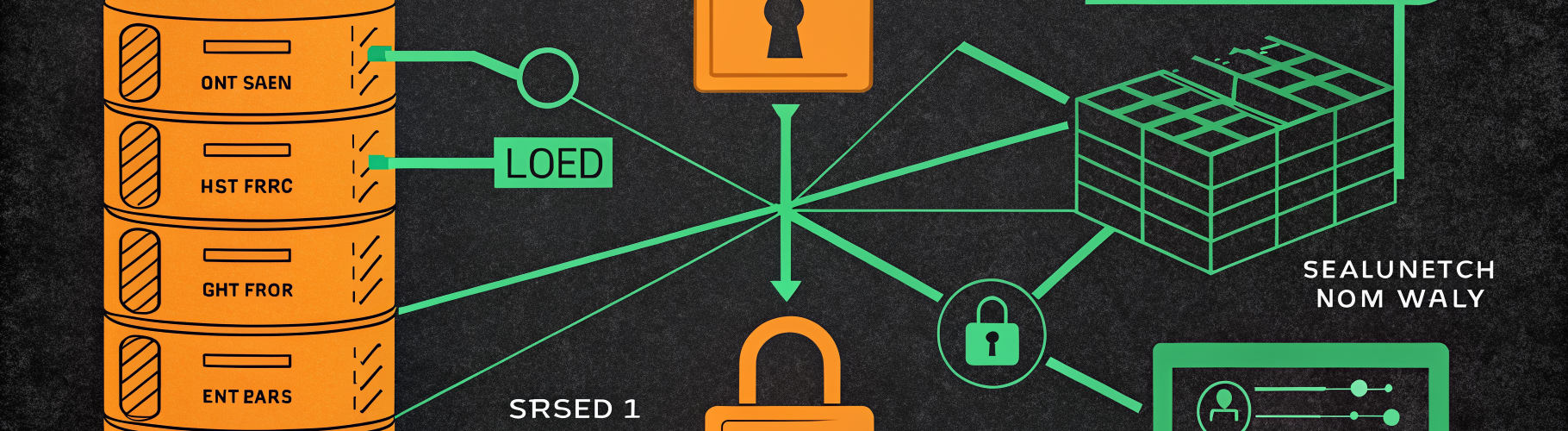
We unified our logging pipeline, consolidated secrets into a vault, enrolled every host in our mesh network, and shipped multi-site high availability. Here is what a week of infrastructure hardening looks like.
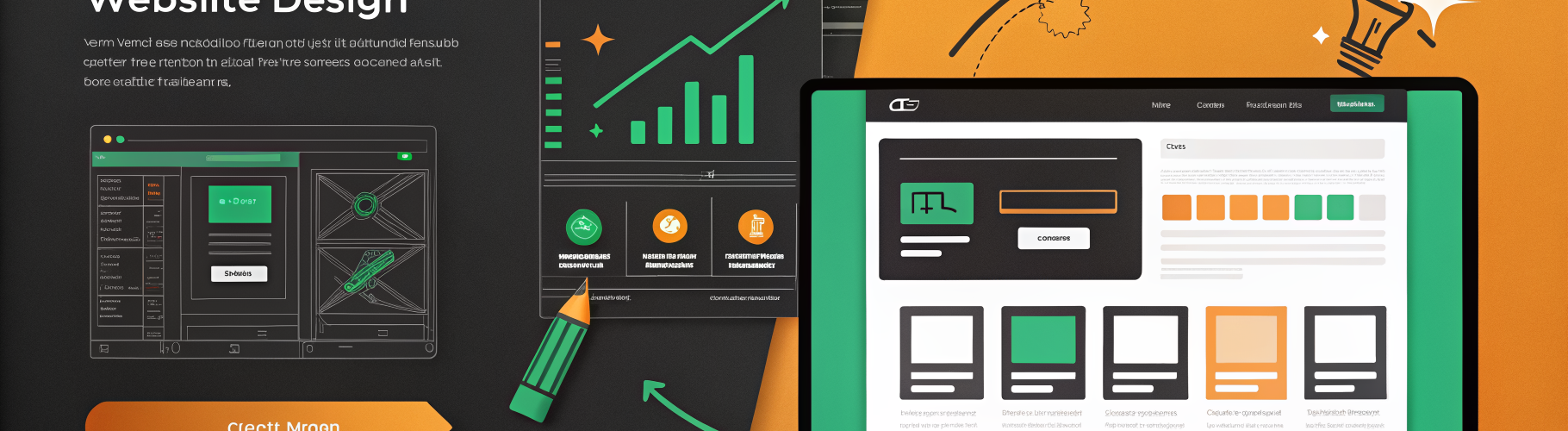
We rebuilt our website from scratch with a clean light theme, redesigned every blog post, and aligned our brand around a single amber accent. Here is what changed and why.
Automated remediation is only safe when the system understands how far a fix can ripple. We added blast radius analysis, confidence calibration, and seven new remediation playbooks this week.
Architecture deep-dive into the latest bridge improvements
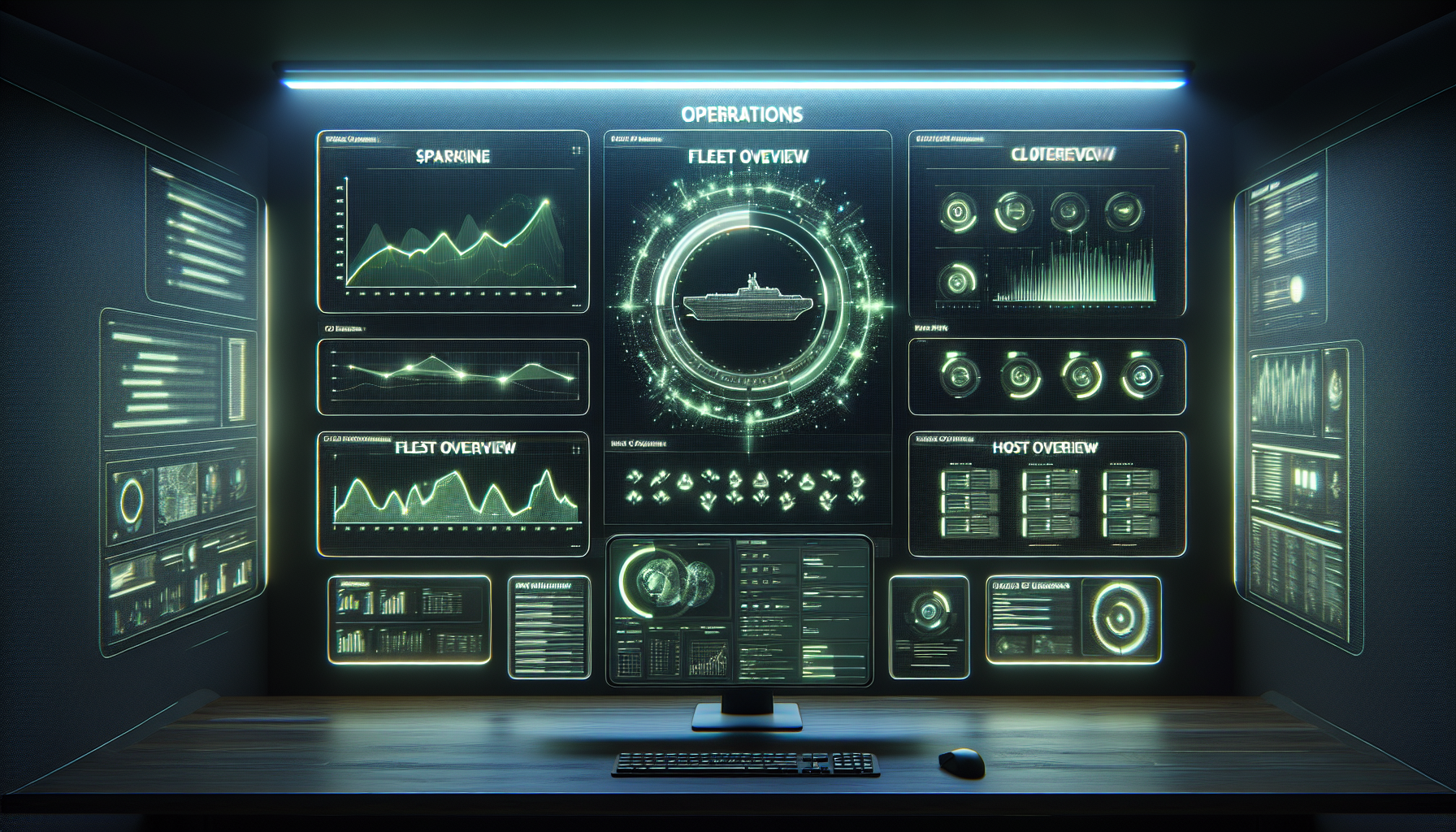
We rebuilt our management portal with fleet dashboards, sparkline charts, and a daily morning briefing that tells you exactly what happened overnight. Here's why proactive reporting beats reactive monitoring.
Most homelabs break silently. Here's how to build one that detects problems and fixes them automatically — with Prometheus, Alertmanager, and a handful of Ansible playbooks.
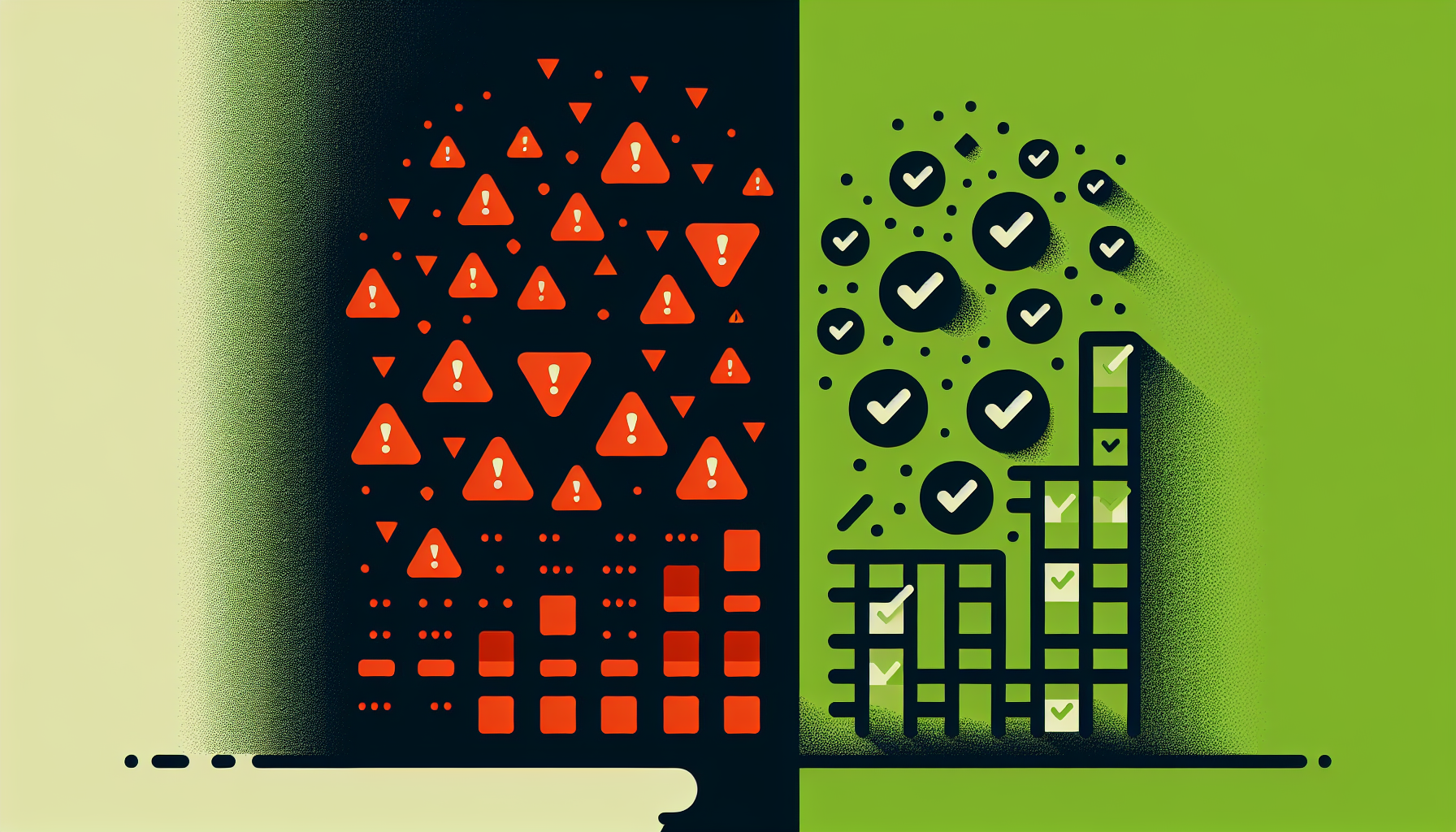
I ran an audit on my homelab and found 68 gaps. Two days later, every one of them was covered by automated monitoring, remediation, or both. Here's how.
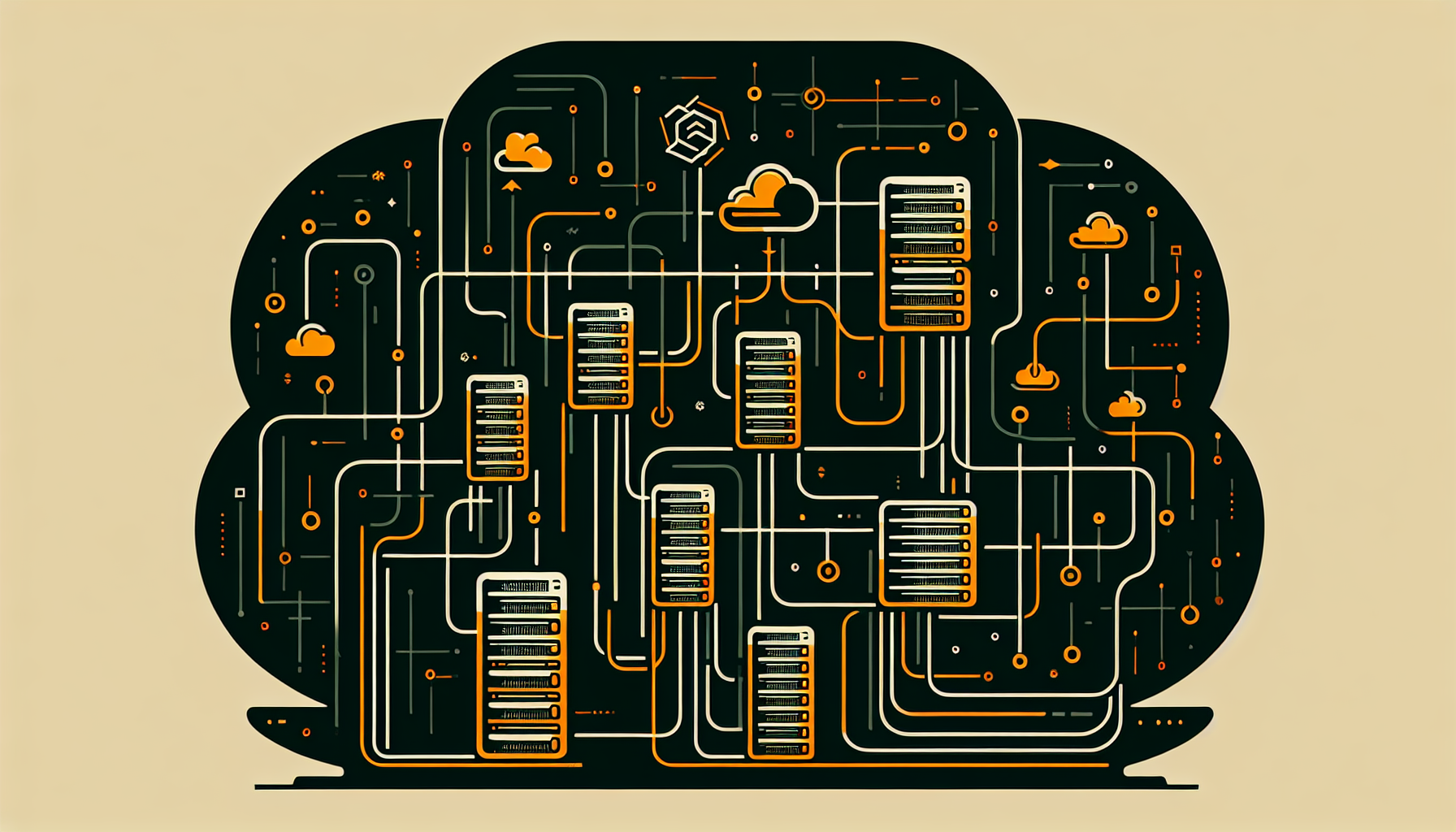
Real stories of infrastructure breaking at the worst possible time — and the Ansible patterns that meant I didn't have to get out of bed to fix them.
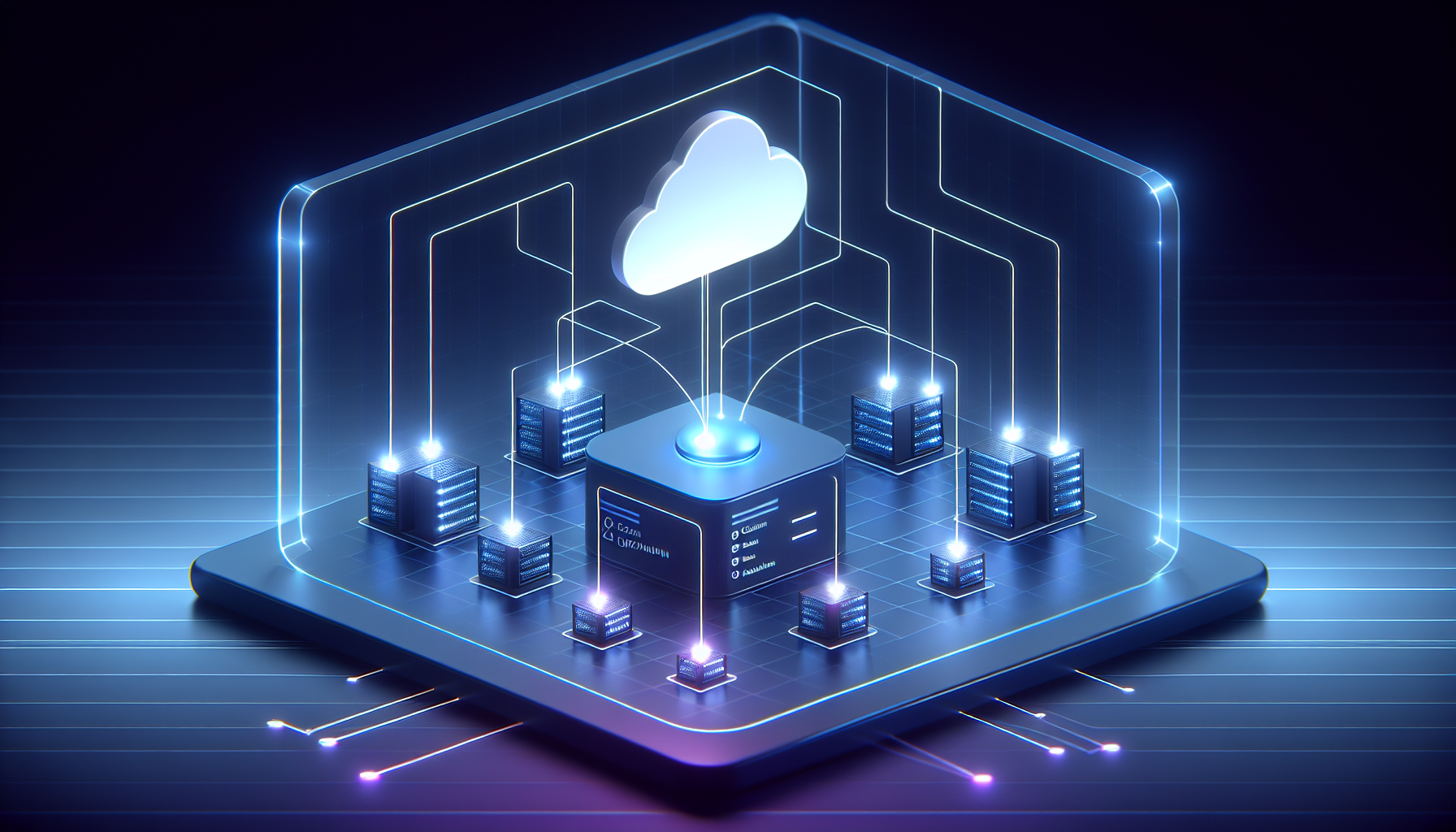
We built a deployment pipeline that provisions a fully configured cloud VM — VPN, Docker, monitoring, backups — in a single step. Here's why fast provisioning changes the game for small teams.

Heavy monitoring stacks eat resources on the hosts they're supposed to protect. We built a lightweight Go agent that deploys in seconds, uses minimal resources, and does exactly what's needed — nothing more.

Automated vulnerability scanning across a 6-host fleet uncovered 603 CVEs. Here's how we triaged them, what we learned, and why continuous scanning beats annual audits.
How I built a self-healing homelab with Prometheus, Alertmanager, and a 200-line Python remediation bridge that dispatches Ansible playbooks automatically.